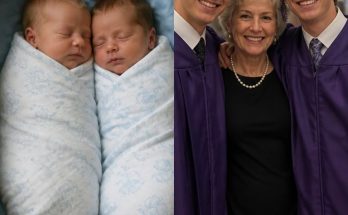
For fourteen agonizing hours, I breathed through the tearing, blinding pain while a rotating cast of exhausted, nameless nurses adjusted my IV, checked my vitals, and offered hollow words of encouragement. When they finally laid her slick, warm body against my bare chest, the brutal marathon faded into a strange, echoing silence. I named her Hazel.
For a span of perhaps ten fragile minutes, the universe stopped spinning. I lay pinned to the stiff, plastic-covered hospital mattress, studying the translucent flutter of her eyelids. The sterile scent of iodine, bleached cotton, and floor wax faded into the background. My mind, usually a chaotic, war-torn battlefield of anxieties and familial obligations, was blissfully, mercifully empty. I felt a fierce, primal surge of protection. I was a mother now. The world outside this room ceased to exist.
Then, muscle memory betrayed me. I reached for my smartphone resting on the rolling aluminum tray.
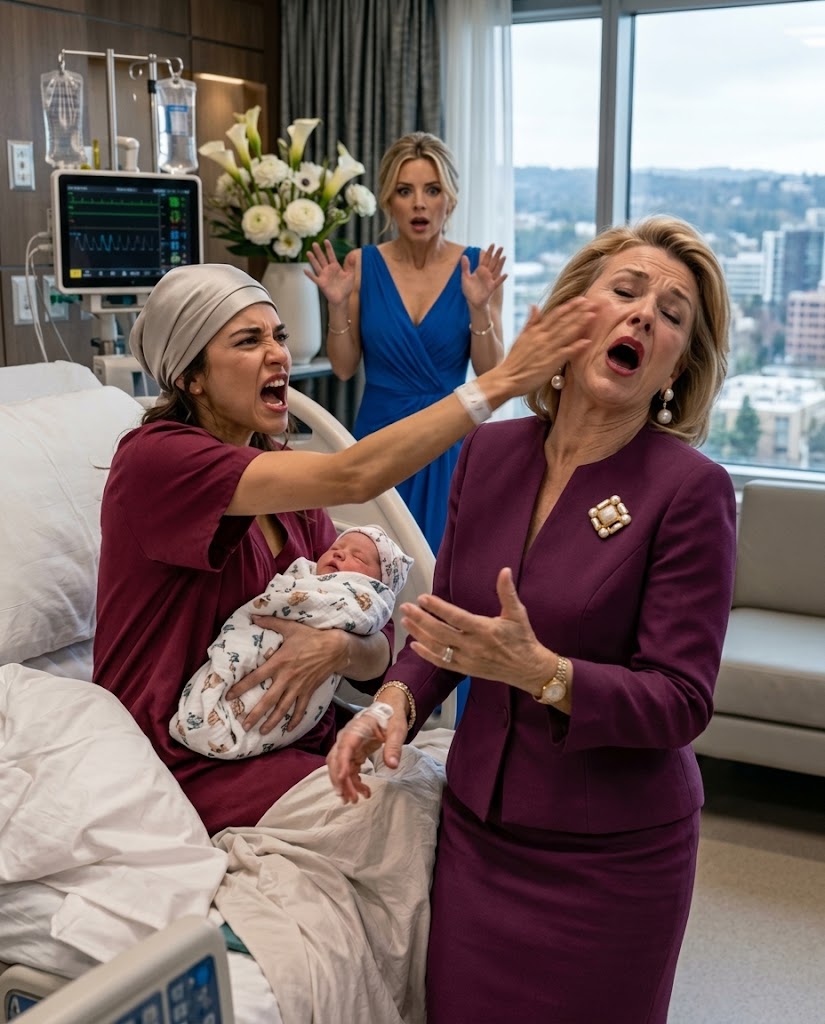
The screen was a graveyard of notifications. There were a dozen check-ins from my platoon mates, their messages full of emojis and exclamation points. There was a brief, professional congratulatory email from my commanding officer. There was a shaky, tear-filled video message from Caleb, filmed secretly in the dimly lit cab of a Humvee between drills, his voice cracking as he apologized for the hundredth time for not being there to hold my hand.
And then, there was the text from my mother, Martha.
“Penny is in trouble. Real trouble this time. She took out a loan from some very bad people to cover her rent and they are parked outside her house right now. They said if she doesn’t have $10,000 by midnight, they are coming inside. I’m terrified for the kids. You need to wire the money right now. Save your sister’s family, Sarah. I’ll explain the rest later.”
That was the entirety of the communication.
I stared at the glowing pixels until they blurred. There was no inquiry about my survival. No acknowledgment of the fourteen hours of excruciating labor. No mention of her new granddaughter, the continuation of our bloodline. Just a raw, terrifying extortion demand wrapped in the chaotic dysfunction of my older sister, Penny.
Penny was a storm system of manufactured crises. She had a supernatural inability to manage her existence, viewing consequence as a concept that only applied to other people. Over the years, I had funded late rent notices, emergency transmission repairs, overdue medical deductibles, and bail money. Somehow, my hard-earned military salary had been quietly, permanently designated as the official slush fund for their survival.
But lying there in a pool of my own sweat, stitched up, trembling, and bleeding, a profound physiological shift occurred within me. The fog of lifelong obligation burned off, leaving behind a cold, sharp clarity.
I wasn’t their savior. I was a hostage funding my own captivity.
A cold, jagged resolve crystallized in my chest. If Penny had actually borrowed money from dangerous people, it was the climax of a thousand terrible decisions I had warned her about. I looked down at Hazel. She had been drawing breath for less than an hour, and I already knew one absolute truth: if I did not sever this parasitic umbilical cord right now, they would eventually sink their teeth into her, too. They would bleed my daughter dry just as they had bled me.
I typed my response with a shaking, bloodless thumb: “I just gave birth. I don’t have $10,000, and even if I did, I wouldn’t send it. If she is in danger, call the police.”
I turned the phone facedown, pressing it against the mattress. I closed my eyes, trying to force my heart rate back to a normal rhythm. But five minutes later, the device vibrated so violently it rattled against the plastic tray. I flipped it over.
“The police can’t help us,” Martha’s text read. “You just signed your nieces’ death warrants. And if they go down, they are giving those men your home address on the base. Sleep tight, Sarah.”
I was discharged two days later. The sky was the color of bruised iron as I carried Hazel out into the damp afternoon air. I strapped her into the car seat with trembling hands, my lower abdomen screaming in protest with every movement, and drove us back to our quiet, empty stucco house on the military base.
I maintained my absolute silence, ignoring the digital bombardment that escalated with terrifying speed. Because I didn’t respond, their tactics shifted. The supposed “loan sharks” never materialized at my door, which confirmed my darkest, most cynical suspicion: the threat was either wildly exaggerated or entirely fabricated to force my hand.
Exactly one week after Hazel’s birth, I was pacing the worn rug in the living room. I was running on perhaps four hours of cumulative sleep over three days, desperately bouncing a colicky Hazel against my shoulder. My joints ached with a deep, bone-weary fatigue, my sleep was fractured into chaotic two-hour increments, and my hormones were plummeting into a dark, suffocating abyss.
Without a single knock, the heavy front door violently swung open, slamming against the drywall with a noise like a gunshot.
My mother still possessed a spare key. I had given it to her a year ago for “emergencies,” a decision I now deeply regretted.
Martha stomped across the threshold. She didn’t bother to remove her wet shoes, tracking mud onto the entryway runner. But she wasn’t alone. She was dragging my eight-year-old niece, Lily, by the wrist. Lily’s face was red and splotchy, her eyes wide with sheer, unadulterated terror. She looked as though she had been crying for hours.
Martha didn’t glance at the blanket swaddled against my chest. She didn’t ask if my stitches were healing. She marched Lily right into the center of my living room and forced the weeping child to her knees onto the rug.
“Tell her,” Martha hissed, digging her manicured nails into Lily’s fragile shoulder. “Tell your Aunt Sarah what’s going to happen to you because she’s too greedy to help her own flesh and blood.”
Lily sobbed, her small chest heaving as she looked up at me with desperate, pleading eyes. “Auntie Sarah… please… Mommy is crying all the time. The bad men are going to take my little brother away. Grandma said you have the money to make them stop. Please don’t let them take us.”
My stomach dropped into my knees. The sheer, sociopathic cruelty of it paralyzed me for a fraction of a second. Martha was weaponizing a terrified child against a postpartum mother. She had actively coached Lily, filling a little girl’s head with nightmares of abduction and violence, just to break my boundaries.
Hazel violently jerked against my collarbone, startled by the screaming, and unleashed a piercing, terrified shriek.
“What on God’s green earth is wrong with you?” I breathed, stepping back as my maternal instincts flared into a blinding, white-hot rage. “Get her up. Get her up right now!”
“Not until you transfer the funds,” Martha yelled, stepping closer, her eyes flashing with a dangerous, erratic energy. The cloying scent of her floral perfume invaded my space, nauseating in its familiarity. “Family is supposed to show up for each other when the chips are down. You think that uniform makes you better than us? You’re going to watch this child beg until you do your duty.”
My duty.
I looked at Martha, then down at Lily, who was curling into a ball on the floor. The rupture inside me wasn’t an explosive meltdown. It was a sudden, terrifying drop in temperature. All the warmth, all the hesitation, all the lingering daughterly guilt evaporated into the chilled air.
“Get out of my house,” I commanded, my voice a dead, flat monotone that surprised even me.
“I am your mother, and I will not leave until you fix this!” Martha lunged forward, her hand reaching out—not to strike me, but toward the swaddle against my chest. “Let me hold my granddaughter. Let me show you what real family looks like.”
She crossed the invisible line. She reached for my baby.
I twisted my body, shielding Hazel from Martha’s grasping hands. With my free hand, acting on pure, adrenaline-fueled instinct, I shoved my mother backward. I pushed hard enough that her heels caught on the edge of the rug, and she stumbled backward, crashing into the hallway console table. A framed photograph of Caleb and me shattered onto the hardwood floor, the sound of breaking glass echoing sharply in the small room.
Lily screamed, covering her ears.
“Don’t you ever reach for her again,” I snarled, backing toward the kitchen counter where my phone lay. My breath was coming in ragged gasps.
Martha’s face contorted into a mask of pure, unadulterated malice. The shock of being physically repelled morphed instantly into vindictive rage. “You put your hands on me? I will ruin you, Sarah. I will tell your command that you assaulted an elderly woman and a child in front of witnesses!”
I didn’t argue. I didn’t try to reason with a terrorist. I picked up the phone and dialed the base’s Military Police dispatch.
“This is Sergeant Sarah Jenkins at quarters 4B,” I said, my voice eerily calm despite the violent trembling in my legs. “I have a hostile intruder refusing to leave my residence. She is escalating physically. I need units here immediately.”
Martha blinked. Her mouth opened, but no sound came out. She stared at me as though I had just spoken dead Latin. She had genuinely believed my boundaries were mythical constructs, easily trampled with enough volume and guilt. But the moment she heard the dispatch operator confirm units were en route, the illusion of her absolute control shattered.