Chapter 6: The Unburdening
The divorce was finalized on a crisp Tuesday in late autumn. Richard kept his underwater car loan and his bruised ego. I kept what was unconditionally mine. My father’s eighteen million remained locked securely behind the impenetrable fortress of my trust.
When I walked out of Susan’s office with the final decree in hand, the parking lot was bathed in brilliant, unforgiving sunlight. I paused by my car and ran my hand over my head. My hair had begun to grow back in a soft, rebellious pixie cut. It was uneven and entirely different from the long, heavy locks I used to hide behind. I looked in the reflection of my car window and smiled. I didn’t miss the old hair.
A year later, my life was unrecognizable, yet completely my own.
I had purchased a modest, beautiful home with a wrap-around porch and a wild, overgrown garden that I tended to myself. I invested the bulk of the inheritance conservatively, utilizing a fraction of it to establish a vocational scholarship fund in my father’s name—a legacy he would have cherished far more than the sterile walls of a country club.
One Saturday morning, while having coffee with Linda at a local café, she looked at me over her steaming mug. “Do you ever miss him, Evie? Truthfully?”
I traced the rim of my cup, considering the question. “Yes,” I admitted, watching her eyebrows shoot up in surprise. “But I don’t miss Richard. I miss the ghost of the man I thought he was. I grieve the illusion. But the man who left that note on my pillow? The man who tried to spend my father’s ghost to buy his mistress a lake house? I don’t miss him for a single second.”
Richard had sent me one final letter a few months after the ink dried on the divorce papers. It wasn’t a plea for reconciliation, but a surrender.
I thought losing the money was the greatest tragedy of my life, he had written in his familiar, sharp script. I was wrong. Losing your absolute trust was the tragedy. I see that now.
I had folded the letter, placed it in a drawer, and went out to plant hydrangeas. Some doors do not require a dramatic slamming; they simply need to be quietly, firmly locked.
The ultimate test arrived when I was invited back to the Oakridge Country Club to present a grant from my father’s foundation at a charity luncheon honoring local educators.
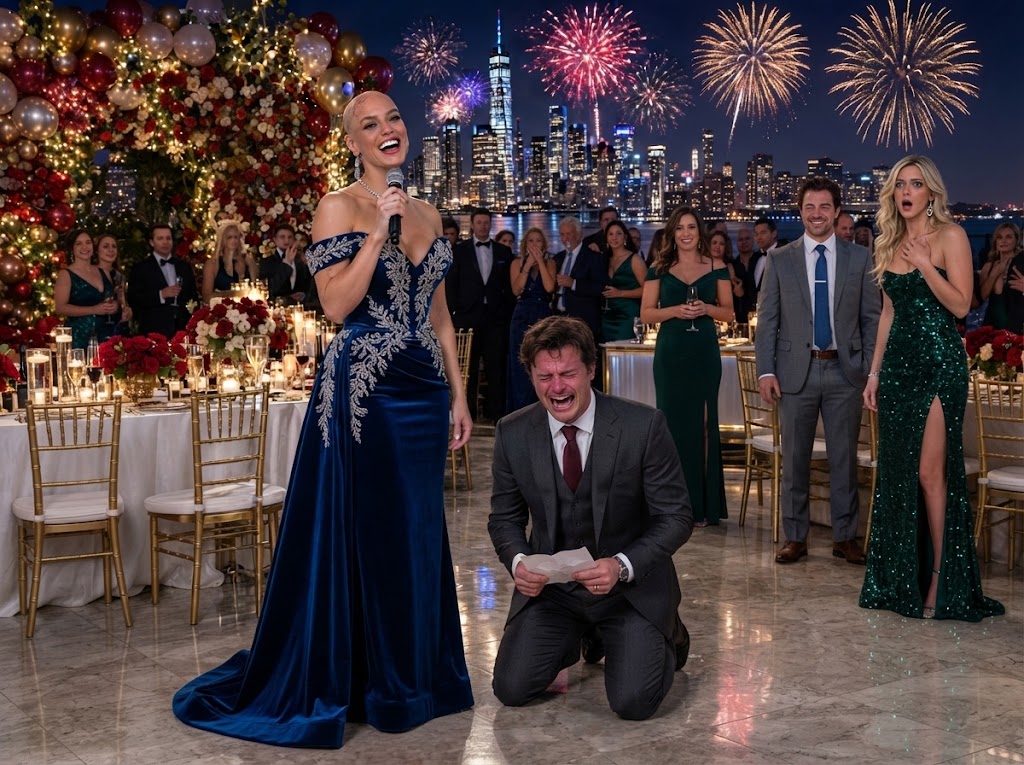
I walked into the exact same vaulted ballroom where, a year prior, I had detonated my marriage. The chandeliers still dripped with crystal; the parquet floor still gleamed. A woman at the registration table beamed at me. “Welcome, Ms. Carter. We are so honored to have you.”
“Thank you,” I smiled, signing my name with a steady hand.
I stood at the edge of the room, remembering the suffocating silence, the pale shock on Richard’s face, the heavy weight of the microphone in my hand. I searched my chest for a flicker of rage or the bitter tang of vengeance.
There was nothing but an overwhelming, radiant gratitude.
I had once believed that revenge meant inflicting equal pain upon the person who broke you. I know better now. The most devastating, absolute form of revenge is walking away with your soul untarnished. It is the refusal to let a cruel person turn you into a cruel person.
I stepped into the bustling luncheon, the light catching my short, styled hair. I walked with my shoulders pulled back, my head held high. When I caught my reflection in the mirrored pillars of the ballroom, I didn’t see the humiliated wife staring back at me.
I saw Evelyn. A woman who had finally learned that the most valuable thing her father had ever left her wasn’t the millions in the bank. It was the freedom to determine her own worth.